



Do Braces Hurt?
Jun 2, 2016

Thinking about getting braces? Most people’s concern about braces (and most orthodontic procedures) is if it’s going to hurt. If you are considering getting braces, it will be helpful if you can get an overview of what it will be like when you have them on, so you won’t get too surprised of how they will feel in your mouth.
Getting braces will, admittedly, be, not a walk in the park, especially during the first few weeks. However, the discomfort will lessen in time and before you know it, it’ll feel as though you never have them in the first place. But here’s the good news – braces have come a long way in terms of comfort and effectiveness
Orthodontic treatment involves applying gentle pressure to gradually shift teeth into proper alignment. While this process can cause temporary discomfort, modern techniques and pain management strategies make the experience much more tolerable than many anticipate. Most patients report that braces hurt significantly less than they expected.
Common Misconceptions about Braces and Pain
When it comes to braces, there are several common misconceptions about the level of pain involved. Many people have heard horror stories from friends or family members who went through the braces journey years ago, and these tales may have perpetuated the belief that braces are excruciatingly painful.
Firstly, it’s crucial to understand that everyone’s experience with braces is unique. While some individuals may experience discomfort during certain stages of treatment, others may find the process painless. Additionally, advancements in orthodontic technology have made modern braces more comfortable than ever before. With these innovations, the level of pain associated with braces has significantly reduced, making it a more manageable experience for patients.
It’s also good to be clear that braces are not painful throughout the entire treatment duration. While there may be some initial discomfort and occasional soreness after adjustments, most of the time, you will hardly notice that the braces are there. The discomfort is typically temporary and can be easily managed with simple measures, which we will discuss in more detail later in this guide.
The Braces Installation Process: What to Expect

It’s important to understand the process of getting braces and what it entails. The journey typically begins with an initial consultation with an orthodontist, where they will examine your teeth, take X-rays, and discuss your treatment options. This is an excellent opportunity to address any concerns or questions you may have regarding the process and the potential discomfort involved.
Once you have decided to proceed with braces, the orthodontist will begin the process of fitting the braces onto your teeth. This involves cleaning and drying your teeth thoroughly before applying bonding glue to attach the brackets. The brackets are then affixed to each tooth using a curing light to secure them in place. Once the brackets are in place, the orthodontist will thread an archwire through them, connecting them together. This archwire is what exerts gentle pressure on your teeth to move them into the desired position over time.
The initial process of getting braces is usually painless, with most patients reporting only a slight pressure or tightness on their teeth. However, it’s important to note that this sensation is temporary and should subside within a few days. If you experience any significant discomfort during this stage, it’s advisable to consult your orthodontist to ensure everything is progressing as it should.
When Do Braces Start to Hurt?
Most patients don’t experience immediate discomfort when braces are first applied. The sensation typically develops gradually over the first few hours after installation.
The first 24 hours
Approximately 3 to 4 hours after getting braces, you may begin noticing tenderness or sensitivity in your teeth. This occurs as the orthodontic appliances begin exerting pressure on your dental structures, initiating the tooth movement process.
The initial discomfort is often described as a feeling of pressure or tightness rather than sharp pain. Your teeth may feel sensitive when biting or chewing, and your cheeks and lips might feel irritated where they contact the new brackets.
Day 2 to 7: Peak Discomfort Period
The first week typically represents the most challenging adjustment period. During this time, you might experience:
- Increased sensitivity when chewing
- Soreness in your teeth and gums
- Irritation on the inside of your cheeks and lips
- Potential tongue soreness from contact with brackets
This discomfort results from inflammation around your teeth as they begin responding to the pressure applied by your braces. Think of it as similar to muscle soreness after exercise, temporary discomfort that indicates positive changes are occurring. However, rest assured that this is temporary and will gradually subside as your teeth adapt to the braces.
It’s common to experience some discomfort as your teeth adjust to the new appliances. This discomfort is usually mild and is often described as a dull ache or soreness. It’s important to understand that this initial discomfort is a normal part of the braces journey and is a sign that the treatment is working.
It’s worth mentioning that the severity of the initial discomfort can vary depending on the individual and the complexity of their case. Those with more pronounced dental issues, such as severe crowding or misalignment, may experience slightly more discomfort initially. However, this discomfort is still manageable and should not deter you from pursuing braces if they are recommended by your orthodontist.
How Long Does Braces Pain Last?
The good news is that braces discomfort follows a predictable pattern and gradually diminishes over time.
The Initial Adjustment Period
For most patients, the most noticeable discomfort lasts about 3 to 5 days after braces are placed. By the end of the first week, many report significant improvement in comfort levels. By the second week, most people have adjusted to the sensation of wearing braces, with only mild residual tenderness.
Your mouth naturally adapts to the presence of orthodontic appliances. The tissues toughen slightly where contact occurs, and your brain gradually filters out the awareness of the braces as a foreign object.
Adjustment Appointments
Throughout your treatment, you’ll visit your orthodontist regularly for adjustments. Typically, every 4 to 8 weeks. During these appointments, your orthodontist may:
- Replace or tighten wires
- Change elastic bands
- Make other modifications to continue tooth movement
After each adjustment, you might experience renewed discomfort as additional pressure is applied to your teeth. However, this discomfort is usually milder than your initial experience and typically lasts only 1 to 3 days rather than a full week.
Why Do Braces Cause Discomfort?
Understanding the mechanics behind braces discomfort can help you better manage your expectations and symptoms.
Science of Tooth Movement
Braces work by applying consistent pressure to your teeth, which triggers a biological process called bone remodeling. When pressure is applied to a tooth, it compresses the periodontal ligament on one side while stretching it on the opposite side.
This compression signals your body to activate cells called osteoclasts, which break down bone tissue on the compressed side. Meanwhile, osteoblasts build new bone on the stretched side. This coordinated process allows teeth to gradually move through the jawbone.
The inflammation associated with this remodeling process is what causes the sensation of discomfort. It’s similar to the soreness you feel after exercising—a sign that positive changes are occurring in your body.
Soft Tissue Irritation
Beyond the discomfort from tooth movement, many patients experience irritation where braces components contact the soft tissues of their mouth. The brackets and wires may rub against your cheeks, lips, and tongue, potentially causing:
- Small abrasions or sores
- General irritation and sensitivity
- Temporary speech adjustments
This type of discomfort typically resolves as your mouth adapts to the presence of braces. Within a few weeks, calluses form in areas of frequent contact, and you’ll become less aware of the appliances.
Managing Pain and Discomfort
While the initial discomfort with braces is mild, there are several strategies you can employ to manage any pain or soreness during the adjustment period. These simple measures can help alleviate any discomfort and ensure a smoother braces journey.
One effective way to manage pain is by taking over-the-counter pain relievers, such as ibuprofen or acetaminophen. These medications can help reduce any inflammation and alleviate soreness in your teeth and gums. However, it’s advisable to consult with your orthodontist or pharmacist before taking any medication to ensure it doesn’t interfere with your treatment.
Consuming soft foods during the adjustment period can also help minimise discomfort. Opting for softer options like soups, smoothies, or mashed potatoes can alleviate the pressure on your teeth while they adapt to the braces. Avoiding hard, crunchy, or sticky foods can prevent unnecessary pain or damage to your braces.
Alleviating Braces Pain
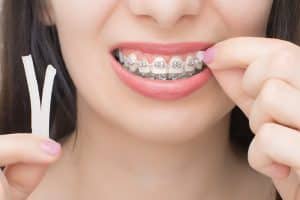
There are several other tips and tricks you can incorporate into your daily routine to alleviate braces pain and discomfort.
One helpful practice is rinsing your mouth with warm saltwater. Dissolve half a teaspoon of salt in a glass of warm water and swish it around your mouth for about 30 seconds. This can help soothe any irritated or swollen gums and provide temporary relief from pain.
Using orthodontic wax is another effective method for reducing discomfort. Orthodontic wax is a soft, pliable substance that can be applied to the brackets or wires to create a smooth surface, preventing them from rubbing against the inside of your cheeks or lips. Simply tear off a small piece of wax, roll it into a ball, and apply it to the area causing irritation.
Maintaining good oral hygiene is crucial during your braces journey, as it can help prevent any additional discomfort or complications. Brushing your teeth gently but thoroughly after every meal can help remove any food particles that may get trapped in your braces, reducing the risk of gum inflammation or decay.
Think about the long terms effect of Braces
While braces may involve some temporary discomfort, it’s essential to focus on the long-term effects and benefits they can provide. The primary goal of braces is to improve the alignment and appearance of your teeth, leading to a confident smile and better oral health.
By straightening your teeth, braces can improve your bite, making it easier to chew and speak. Properly aligned teeth also reduce the risk of dental issues such as tooth decay, gum disease, and jaw problems. Additionally, braces can enhance your facial symmetry and boost your self-esteem, allowing you to smile with confidence.
It’s important to remember that the discomfort associated with braces is temporary, but the benefits are long-lasting. The beautiful smile and improved oral health you achieve after the braces journey far outweigh any temporary discomfort you may experience along the way.
Alternative options to Traditional Braces
While braces are a highly effective method for straightening teeth, they are not the only option available. For those who are concerned about the discomfort or appearance of traditional braces, there are alternative treatments that can achieve similar results.
Invisalign is a popular alternative to braces, especially for adults or individuals who prefer a more discreet treatment option. Invisalign consists of a series of clear, removable aligners that gradually shift your teeth into place. Unlike braces, Invisalign aligners are invisible and can be removed for eating and oral hygiene. While some patients may experience slight discomfort with Invisalign aligners, it is less pronounced compared to braces.
When to Contact Your Orthodontist About Pain
While some discomfort is expected during orthodontic treatment, certain situations warrant professional attention.
Normal vs Concerning Pain
Normal orthodontic discomfort:
- Feels like pressure or dull aching
- Gradually improves over several days
- Responds to over the counter pain management
- Primarily affects teeth and surrounding gums
Concerning symptoms that require professional evaluation:
- Sharp, persistent pain that doesn’t improve
- Significant swelling beyond mild puffiness
- Severe cuts or sores that don’t heal
- Loose brackets or protruding wires causing injury
- Pain accompanied by fever or significant facial swelling
Emergency Care Options
Most orthodontic practices offer emergency appointments for situations requiring immediate attention. Between appointments, temporary measures like applying orthodontic wax to problematic areas can provide relief until professional help is available.
So, do Braces Hurt?

The truth about braces and pain is that while there may be some discomfort associated with the treatment, it is manageable and temporary. Advancements in orthodontic technology have significantly reduced the level of pain associated with braces, making it a more comfortable experience for patients.
The initial discomfort with braces is typically mild and subsides within a few days or weeks. Simple measures such as taking over-the-counter pain relievers, and consuming soft foods can help alleviate any discomfort during the adjustment period. It’s important to remember that the long-term benefits of braces, such as improved oral health and a confident smile, far outweigh any temporary discomfort.
However, it’s crucial to understand that everyone’s experience with braces may vary. It’s advisable to consult with your orthodontist to address any concerns or questions you may have about the process and the potential discomfort involved. They can provide personalised advice and guidance based on your specific needs.
The decision to pursue braces should be based on a careful consideration of the pros and cons, including the potential for temporary discomfort. Remember, the result of a beautiful, straight smile is worth the journey, and any discomfort along the way is simply a stepping stone towards achieving that goal. So don’t let the fear of pain hold you back from embarking on this transformative orthodontic treatment. Embrace the process, and soon you’ll be proudly displaying your new, confident smile for the world to see!
