



Preparing Your Child for Their First Orthodontic Visit
May 19, 2025

As a parent, you’re key to your child’s dental health. The first orthodontic visit is a big step, and with proper preparation, it can be positive and exciting. This guide will help you make the experience smooth and stress free for both you and your child.
Starting orthodontic treatment can be both exciting and daunting. With proper preparation, you can turn uncertainty into enthusiasm and ensure a lifetime of good oral health.
This blog covers when to schedule the first visit, how to explain orthodontics to your child, and tips for a successful appointment day. We’ll discuss what to expect during the visit, maintaining positivity, and follow up care. You’ll have the knowledge and tools to ensure your child’s first orthodontic appointment is positive.
Explaining Orthodontics to Your Child: Making it Fun and Understandable
To prepare your child for their first orthodontic visit, explain orthodontics in a fun and easy-to-understand way. Here’s how to do it.
Use simple, child friendly language
- Call the orthodontist a “smile doctor” or “tooth fairy’s helper.”
- Refer to braces as “smile helpers” or “tooth jewelry.”
- Explain treatment as “giving your teeth a hug to help them straighten.”
Create Engaging Analogies
Children often understand complex concepts better when explained simply.
- Teeth Alignment: “Teeth sometimes need assistance to be positioned properly to prevent cavities.”
- Garden Comparison: “The orthodontist helps ensure your teeth grow in straight rows, similar to how a gardener arranges plants.”
- Building Blocks: “The orthodontist arranges teeth to ensure they are well-aligned for a strong and healthy smile.”
Use Visual Aids
Visual aids can help your child understand orthodontic treatment.
- Draw smiles before and after treatment.
- Make mouth models with playdough to show teeth movement.
- Show age appropriate videos about orthodontic care and visits.
Story Telling
Create a short, fun story about a character who visits the orthodontist. This can help your child relate to the experience. Such as:
“Once upon a time, there was a little tooth named Timmy. Timmy felt sad because he was crooked and couldn’t stand straight like his friends. One day, he met Dr. Smiley, the magical tooth fairy. Dr. Smiley gave Timmy special hugging braces that helped him stand tall and proud. Timmy was so happy with his new, straight smile that he couldn’t stop grinning!”
Address Common Concerns
- Assure them orthodontic procedures are painless.
- Explain many kids get braces, making it a cool experience.
- Highlight the end result – a beautiful, confident smile.
Make it Interactive
Engage your child in the learning process
- Role-play “orthodontist” at home using a stuffed animal as the patient
- Have your child practice opening wide and counting teeth in the mirror
- Create a reward chart for oral hygiene habits leading up to the appointment.
Focus on Positive Outcomes
Focus on the benefits of orthodontic treatment
- A straighter smile that they’ll love to show off
- Easier brushing and flossing for healthier teeth
- Improved ability to eat and speak comfortably
By making the explanation of orthodontics fun, relatable, and positive, you’re setting the stage for a more relaxed and cooperative attitude towards the upcoming appointment.
Remember, your enthusiasm and positive approach will greatly influence your child’s perception of the experience. Keep the conversation light, engaging, and open to questions, and you’ll find that your child might even start looking forward to their orthodontic journey!
Preparing for the Big Day
As the day of your child’s first orthodontic appointment approaches, a little preparation can go a long way in ensuring a smooth and positive experience. Here are some practical tips and tricks to help you and your child get ready for this important milestone.
Create a Countdown Calendar
Building anticipation in a positive way can help transform any nervousness into excitement.
- Make a fun, colorful calendar marking the days until the appointment
- Add small rewards or activities for each day leading up to the visit
- Encourage your child to decorate the calendar with stickers or drawings related to healthy teeth
Practice Good Oral Hygiene
Use the upcoming appointment as motivation to reinforce good dental habits.
- Establish a consistent brushing and flossing routine
- Make oral care fun with themed toothbrushes or flavoured toothpaste
- Create a reward system for maintaining good oral hygiene
Role Play the Visit
Prepare your child by role playing
- Take turns being the orthodontist and the patient
- Use household items to mimic orthodontic tools (e.g., a small flashlight as the examination light)
- Practice sitting still with an open mouth for short periods
Gather Information
Being well informed can assist you and your child in feeling more comfortable.
- Write down any questions you or your child have about orthodontic treatment
- Compile a list of your child’s medical history and any current medications
- Prepare insurance information and necessary paperwork in advance
Choose Comfortable Clothing
Selecting the right outfit can contribute to your child’s comfort during the appointment
- Choose loose and comfortable clothing.
- Avoid excessive jewelry that might interfere with X-rays or examinations
Plan a Special Pre Appointment Activity
Build positive connections to the appointment day
- Schedule a fun activity or outing before the visit
- Prepare a special breakfast on the morning of the appointment
- Let your child choose a favorite toy or book to bring along
Discuss Potential Outcomes
Ensure your child is prepared for different situations without inducing unnecessary anxiety
- Explain that the orthodontist might just look and take pictures this time
- Mention that they might get to choose colours if braces are recommended
- Emphasise that any treatment will help them have a healthier, more beautiful smile
Pack a Comfort Kit
Prepare a small bag of items that can provide comfort and distraction.
- A favorite small toy or stuffed animal
- A book or tablet for entertainment in the waiting room
- A water bottle and a small, healthy snack for after the appointment
Plan Post Appointment
Give your child something to look forward to after the visit.
- Promise a trip to the park or a favourite activity
- Plan to prepare their favourite meal for dinner
- Allow them to choose a small treat or toy as a reward for their bravery
Get a Good Night’s Sleep
Ensure your child is well rested for the appointment.
- Stick to regular bedtime routines the night before
- Avoid screens close to bedtime to promote better sleep
- Wake up with plenty of time to get ready without rushing
By implementing these preparation strategies, you’re setting the stage for a positive first orthodontic experience. Remember, your calm and positive attitude will greatly influence your child’s outlook. Approach the day with enthusiasm and reassurance, and you’ll find that your child may even start to look forward to future orthodontic visits!
What to Expect During the First Visit

Understanding what happens during the first orthodontic visit can help alleviate any anxiety and prepare both you and your child for the experience. While each orthodontic practice may have its unique approach, here’s a general overview of what you can expect.
Warm Welcome and Clinic Tour
Upon arrival, you’ll likely be greeted by friendly staff who will:
- Welcome you and your child to the practice
- Provide any necessary paperwork to fill out
- Offer a brief tour of the office to familiarise your child with the environment
This initial interaction sets the tone for a positive experience and helps your child feel more at ease in the new surroundings.
Meeting the Perfect Smiles Orthodontic Team
Next, you’ll be introduced to key members of the orthodontic team.
- Dental Assistant
They may guide you through initial steps and explain procedures - Orthodontist
The specialist who will examine your child and discuss treatment options - Treatment Coordinator
Often present to answer questions about logistics and finances
Encourage your child to say hello and ask any questions they might have prepared.
Initial Examination
The orthodontist will perform a thorough examination of your child’s mouth, which typically includes:
- Visual inspection of teeth, gums, and jaw alignment
- Checking bite and teeth spacing
- Assessing facial symmetry and profile
This examination is generally quick and painless, with the orthodontist explaining what they’re doing in child friendly terms.
Diagnostic Records
The orthodontist may take diagnostic records if necessary
- Photographs of the face and smile
- X-rays to view tooth roots, jaw bones, and any unerupted teeth
- Digital scans or impressions of the teeth
These records are instrumental in developing a detailed treatment plan that addresses your child’s unique requirements.
Discussion of Findings
After the examination, the orthodontist will discuss their findings with you and your child.
- Explanation of any orthodontic issues identified
- Potential treatment options and their benefits
- Estimated timeline for treatment, if applicable
- Answers to any questions you or your child may have
This is an excellent opportunity to ask about different types of braces, aligners, or other orthodontic appliances that might be recommended.
Treatment Planning
If treatment is recommended, the orthodontist will outline a personalised plan.
- Goals of the treatment
- Types of appliances that might be used
- Estimated duration of treatment
- Frequency of follow up appointments
Remember, not all children need immediate treatment. The orthodontist might recommend monitoring your child’s growth and development before starting any interventions.
Financial Discussions
A team member, often the treatment coordinator, will discuss financial aspects.
- Cost estimates for recommended treatment
- Insurance coverage and payment options
- Flexible payment plans, if available
Don’t hesitate to ask questions about costs and explore all payment possibilities.
Scheduling Next Steps
Before you leave, you’ll likely:
- Schedule the next appointment if treatment is to begin soon
- Receive information about how to prepare for upcoming visits
- Get contact information for any questions that may arise
Wrapping up the Visit
As the appointment concludes:
- Your child might receive a small gift or reward for their cooperation
- You’ll be given any necessary care instructions or educational materials
- The team will reinforce positive aspects of the visit and treatment benefits
Remember, the first visit aims to gather information and ensure your child feels comfortable. The orthodontist wants to build a positive relationship for the treatment journey.
By understanding the process, you can assist your child in feeling more comfortable and even optimistic about their orthodontic care. Highlight the favourable aspects of the visit and the rewarding journey toward achieving a healthier, more aesthetically pleasing smile. Proper preparation and a positive mindset can ensure that this initial orthodontic visit establishes a foundation for a successful and gratifying orthodontic experience.
Keeping a Positive Attitude: Your Duty as a Parent
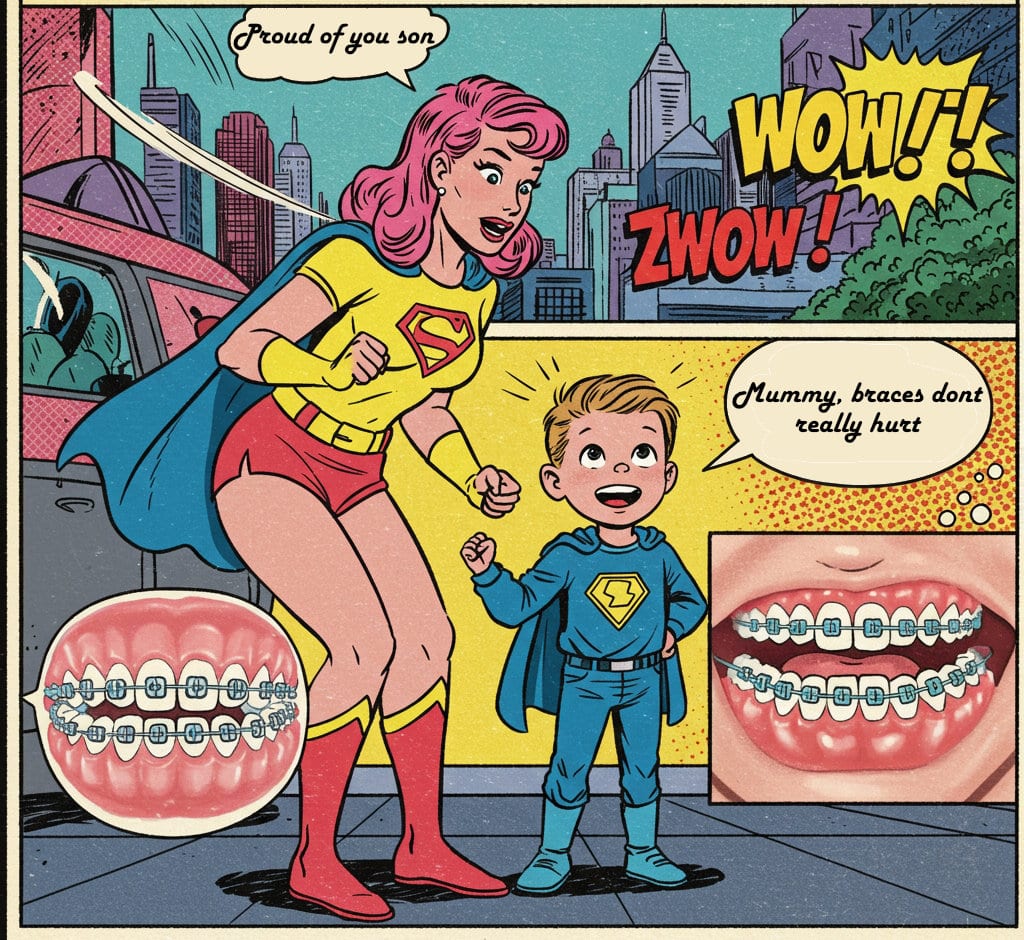
As a parent, your attitude and approach to your child’s orthodontic journey can significantly influence their experience. Your positive outlook and support can transform what might seem like a daunting process into an exciting adventure.
Here are some strategies to help you maintain and convey a positive attitude throughout your child’s orthodontic treatment.
Lead by Example
Children tend to mimic their parents’ attitudes and actions. Showing a positive attitude towards dental and orthodontic care can greatly influence them.
- Share your own positive experiences with dental or orthodontic treatment
- Show enthusiasm about your child’s orthodontic journey
- Maintain good oral hygiene habits yourself
Focus on Benefits
Regularly remind your child of the positive outcomes of orthodontic treatment
- A beautiful, confident smile
- Improved oral health
- Better ability to eat and speak comfortably
Highlight these long term benefits to keep your child motivated during treatment.
Celebrate Milestones
Celebrate progress during the orthodontic journey.
- Create a chart to track appointments and treatment progress
- Plan small rewards for reaching certain milestones (e.g., six months of treatment completed)
- Take photos to document the gradual changes in your child’s smile
Address your Childs Concerns Proactively
Be open to discussing any worries or discomfort your child may experience
- Listen attentively to their concerns without dismissing them
- Offer reassurance and practical solutions
- Contact the orthodontist if you have questions or need advice
Make it a Team Effort
Involve the whole family in supporting your child’s orthodontic care
- Prepare braces friendly meals that everyone can enjoy
- Have siblings or other family members share their own dental experiences
- Make oral hygiene a family activity
Stay Informed and Involved
Keeping yourself educated about your child’s treatment helps you stay positive and supportive
- Attend appointments with your child whenever possible
- Ask questions and seek clarification from the orthodontist
- Stay up to date with care instructions and treatment progress
Use Positive Language
The words you use can affect your child’s understanding of their orthodontic treatment
- Instead of “painful,” use “a little uncomfortable”
- Replace “long process” with “exciting journey”
- Use “adjustment” rather than “tightening” when referring to appointments
Encourage Independence
As your child becomes more accustomed to their orthodontic care, it is beneficial to encourage them to take responsibility for their treatment.
- Let them choose the colours of their elastics or bands
- Teach them to properly clean their braces or aligners
- Allow them to remind you of upcoming appointments
Be Patient and Understanding
Remember that adapting to orthodontic treatment takes time.
- Be empathetic if your child experiences discomfort or frustration
- Offer comfort and support during challenging phases of treatment
- Remind them that temporary inconveniences lead to lasting benefits
Create a Supportive Home Environment
Prepare your home for effective orthodontic care.
- Stock up on braces friendly foods and snacks
- Create a dedicated space for oral hygiene supplies
- Display reminders or motivational messages about orthodontic care
Maintain Communication with the Orthodontic Team
Maintain open communication with your child’s orthodontist and their team
- Don’t hesitate to reach out with questions or concerns
- Follow the practice on social media for tips and updates
- Share positive feedback and experiences with the orthodontic team
By maintaining a positive attitude and actively supporting your child throughout their orthodontic journey, you’re not just contributing to their dental health, you’re also teaching valuable lessons about perseverance, self care, and the importance of a healthy smile. Your encouragement and positivity can turn what might seem like a challenging process into a rewarding experience that your child will appreciate for years to come.
Remember, every step of the orthodontic journey is bringing your child closer to a healthier, more confident smile. By approaching this process with enthusiasm and support, you’re setting the stage for not just improved oral health, but also a positive attitude towards self care that will benefit your child well into adulthood.
Post Visit Care - Ensuring Success

Following your child’s first orthodontic visit, it’s important to maintain proper care and follow up for effective treatment.
Immediate Post Visit Care
In the hours and days immediately following the first visit:
- Review any materials or instructions provided by the orthodontist
- Discuss the visit with your child, addressing any questions or concerns
- Begin implementing any recommended oral hygiene practices
Establishing New Routines
If treatment has begun or new oral care routines were suggested:
- Set up a dedicated area for orthodontic care supplies
- Create a chart or reminder system for daily oral hygiene tasks
- Gradually introduce any dietary changes recommended by the orthodontist
Managing Discomfort
If your child experiences any discomfort:
- Use over the counter pain relievers as recommended by the orthodontist
- Apply orthodontic wax to any areas causing irritation
- Prepare soft foods that are easy to eat
Maintain Regular Check Ups
Keeping your appointments on schedule is important:
- Mark all upcoming appointments on your calendar
- Set reminders a few days before each appointment
- Try to schedule appointments at consistent times to establish a routine
Monitoring Process at Home
Monitor your child’s orthodontic progress between appointments:
- Regularly check for any loose brackets or wires
- Monitor your child’s bite and report any significant changes
- Observe how well your child is adapting to the treatment
Encouraging Compliance
If your child has removable appliances or specific care instructions:
- Use positive reinforcement to encourage adherence to treatment plans
- Create a reward system for consistent compliance
- Regularly remind your child of the benefits of following instructions
Responding to Emergencies
Be prepared for potential orthodontic emergencies:
- Keep the orthodontist’s emergency contact information easily accessible
- Have a small orthodontic emergency kit on hand (wax, floss, small scissors)
- Know what constitutes a true emergency versus a minor issue that can wait
Maintain Overall Dental Health
It is essential to maintain regular dental care practices.
- Continue regular dental check-ups and cleanings
- Address any non orthodontic dental issues promptly
- Maintain a balanced diet that supports dental health
Staying Informed
Keep yourself updated on your child’s orthodontic journey:
- Read any newsletters or updates from the orthodontic office
- Follow the practice’s social media for tips and information
- Ask questions during appointments to understand treatment progress
Supporting Emotional Health
Pay close attention to your child’s emotional responses regarding their orthodontic treatment.
- Regularly check in about their comfort and confidence
- Address any concerns about appearance or social situations
- Share success stories or introduce them to peers with similar experiences
Preparing for Treatment Milestones
As treatment progresses, prepare for significant milestones:
- Discuss what to expect when braces come off or when transitioning between appliances
- Plan for retainer use and care after active treatment ends
- Consider taking photos to document progress and celebrate achievements
Encourage Long Term Habits
Build lifelong oral health habits from this experience.
- Emphasise the connection between current care and future dental health
- Teach the importance of wearing retainers as directed
- Encourage your child to take ownership of their dental health as they grow older
Effective post visit care and follow-up are key to successful orthodontic treatment. Orthodontics is a team effort involving patients, parents, and professionals. Your support is vital for your child’s best result.
Stay positive, be consistent, and celebrate small victories. Proper care of your child’s orthodontic treatment will lead to a beautiful smile and teach lessons about health, responsibility, patience, and perseverance.
Addressing Common Concerns and Questions
As your child begins their orthodontic journey, it’s natural for both you and your child to have questions and concerns. Addressing these proactively can help alleviate anxiety and ensure a smoother treatment process.
Here are some common concerns and questions, along with helpful responses.
Will Getting Braces Hurt?
It’s common for children to worry about pain associated with braces.
- Explain that while there might be some initial discomfort, it’s usually mild and temporary
- Describe it as a “pressure” feeling rather than pain
- Assure them that over-the-counter pain relievers can help if needed
- Emphasise that any discomfort means the treatment is working to improve their smile
How Long Do I Need to Wear Braces?
Treatment duration varies, but you can address this concern by:
- Explaining that everyone’s treatment is unique
- Providing a general range (e.g., 18-24 months) while emphasizing that following the orthodontist’s instructions can help ensure treatment stays on schedule
- Focusing on the end result – a beautiful, healthy smile that will last a lifetime
Will Braces Affect My Appearance?
Many children worry about how they’ll look with braces.
- Show before and after photos of other kids with braces
- Highlight the variety of colour options for bands, making braces more fun and personalised
- Remind them that many of their peers likely have or will have braces too
- If applicable, discuss less visible options like clear braces or aligners
Can I Still Play Sports or a Musical Instrument?
Reassure your child that braces won’t stop them from enjoying their favorite activities
- Explain that mouthguards are available for sports
- Mention that many professional athletes and musicians have had braces
- Encourage them to talk to their orthodontist about any specific concerns
What Foods to Avoid
Dietary restrictions can be a major concern for kids.
- Focus on the many foods they can still enjoy
- Present it as an opportunity to try new, braces-friendly foods
- Explain that avoiding certain foods helps prevent damage to their braces and keeps treatment on track
- Suggest alternatives to restricted foods (e.g., cutting apples into small pieces instead of biting into them whole)
Do I Need to Brush My Teeth More Than Usual?
Address oral hygiene concerns by:
- Explaining that while they might need to brush more frequently, it’s for the health of their teeth
- Introducing fun tools like water flossers or special brushes for braces
- Creating a reward system for maintaining good oral hygiene
What Happens If My Braces Breaks?
Ease worries about potential emergencies.
- Explain what constitutes a true orthodontic emergency
- Provide a small emergency kit for minor issues
- Assure them that the orthodontist is always available for urgent concerns
Do I Need to Wear Retainer After Braces?
Prepare them for post-braces care.
- Explain that retainers help keep their new smile in place
- Describe retainers as a “victory lap” after completing braces treatment
- Mention that many retainers are removable and only worn part-time
How Often Will I Need to Visit the Orthodontist?
Set expectations for appointment frequency.
- Explain that regular check-ups are crucial for monitoring progress
- Highlight that these visits are usually quick and scheduled around school hours
- Frame appointments as opportunities to show off their progress and choose new band colours
Will Braces Affect My Speech?
Address potential speech concerns.
- Mention that any changes in speech are usually temporary and minor
- Encourage practice speaking or reading aloud to adjust quickly
- Share stories of others who adapted easily to speaking with braces
How Can I Clean My Teeth With Braces?
Provide practical advice for maintaining oral hygiene.
- Demonstrate proper brushing and flossing techniques for braces
- Introducing helpful tools like interdental brushes or floss threaders
- Highlight the importance of regular dental check ups in addition to orthodontic appointments
By addressing these common concerns and questions openly and positively, you can help your child feel more confident and prepared for their orthodontic treatment. Remember to encourage ongoing communication – let your child know that it’s okay to ask questions or express concerns throughout their treatment journey.
Maintain an open dialogue with both your child and the orthodontic team. This collaborative approach ensures that any issues are addressed promptly and that your child feels supported throughout their orthodontic experience. With patience, understanding, and positive reinforcement, you can help transform any apprehensions into excitement about the journey towards a healthier, more beautiful smile.
Conclusion - Embracing the Journey to a Brighter Smile

As you prepare your child for their first orthodontic visit, remember this journey is more than just straightening teeth. It’s an investment in their future health, confidence, and well being.
The path to a perfect smile is unique for every child. What remains constant is the positive impact that proper orthodontic care can have on their life. From improved oral health to increased self-esteem, the benefits extend far beyond just aesthetics.
By taking the time to prepare your child for their orthodontic journey, you’re setting the stage for a positive experience that can shape their attitude towards dental health for years to come. Your support, understanding, and enthusiasm play a crucial role in making this journey a success.
As you move forward, keep these key points in mind:
- Start Early
The earlier you introduce the concept of orthodontic care, the more comfortable your child will be with the process. - Stay Positive
Your attitude will greatly influence your child’s perception of the experience. - Communicate openly
Encourage your child to express their thoughts and concerns throughout the process. - Celebrate milestones
Acknowledge and reward progress along the way. - Partner with your orthodontic team
They are there to support you and your child every step of the way.
Remember, orthodontic treatment is a temporary phase that leads to lasting results. The minor inconveniences and adjustments along the way are small prices to pay for the lifetime of benefits that a healthy, beautiful smile can bring.
As you embark on this exciting journey with your child, approach each step with patience, understanding, and a touch of adventure. Before you know it, you’ll be looking back on this experience, marvelling at the transformation not just in your child’s smile, but in their improved confidence and overall well being.
