


Orthodontic Power Chains Explained: A Guide for Patients
Aug 10, 2025
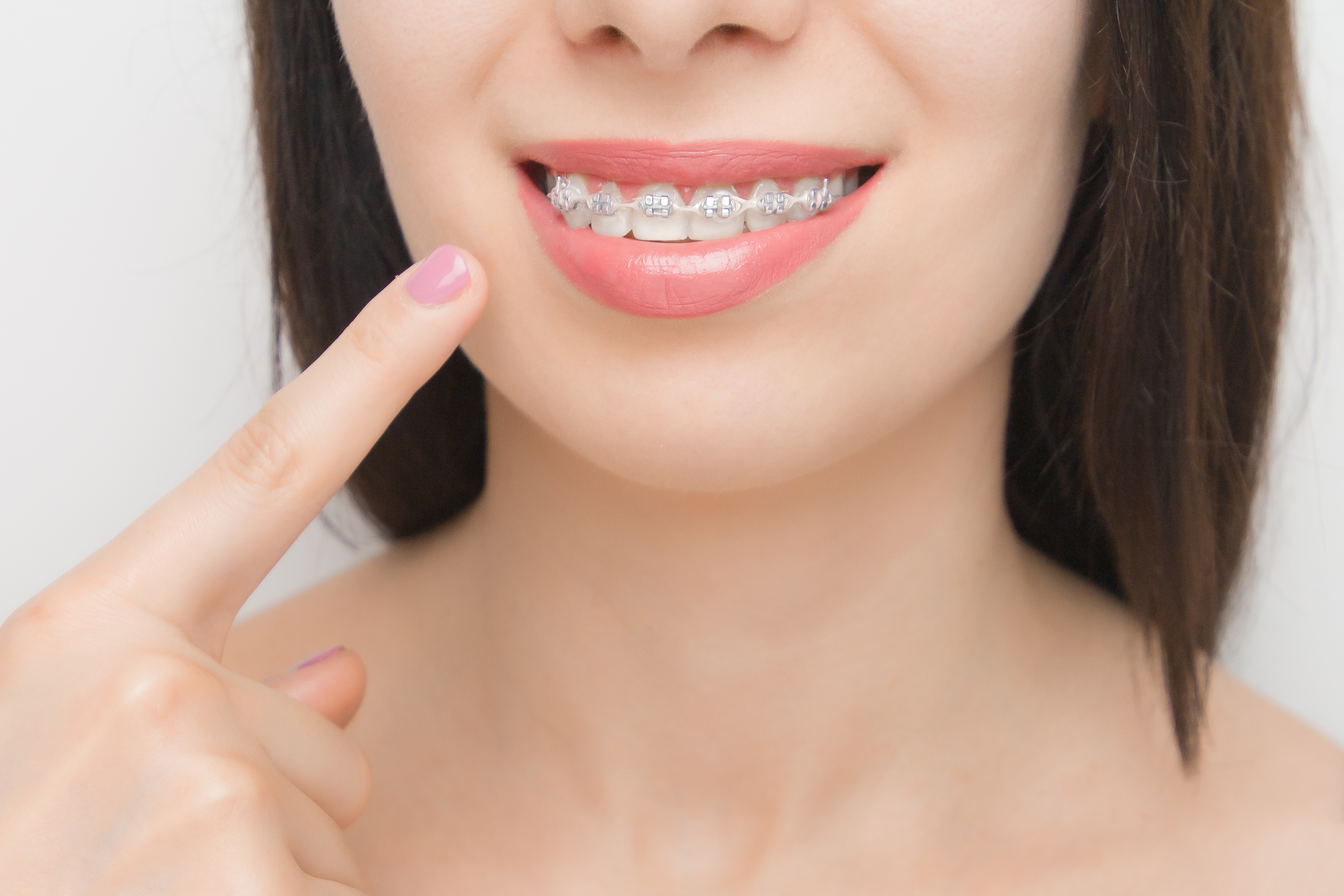
Achieving dental alignment sometimes involves more than standard braces. For some individuals who require quicker results or have specific alignment needs, orthodontists may suggest power chains. These elastic components are designed to improve treatment efficiency and address certain dental issues that traditional braces might not fully resolve.
When considering orthodontic treatment, it is useful to be informed about the range of available tools. Power chains are one method used to accelerate the alignment process, although many patients may not be familiar with them until they are discussed as part of a treatment plan.
The following sections provide information about power chains, including how they work and considerations for their use in orthodontic treatment.
Understanding Power Chain Basics
Power chains represent a specialised orthodontic tool designed to enhance the effectiveness of traditional braces. Unlike standard elastics that connect individually to each bracket, these continuous chains link multiple brackets together, creating unified pressure across several teeth simultaneously.
Made from the same elastomeric material as regular ligatures, power chains feature connected rings that resemble a chain-like structure. This design allows orthodontists to apply more concentrated force precisely where needed. The continuous elastic material contracts as it tries to return to its original shape, gently pulling connected teeth closer together.
Most patients encounter power chains during the middle or final phases of their orthodontic treatment, typically after initial alignment has been achieved. Your orthodontist might recommend them when spaces between teeth need closing, when teeth require more precise positioning, or when treatment progress needs acceleration.
What makes power chains particularly valuable is their versatility. They can target specific areas of your mouth while leaving other sections with traditional ligatures, allowing for customized treatment approaches that address your unique dental needs.
How Power Chains Function with Braces
The mechanics behind power chains involve strategic application of continuous pressure. During a regular adjustment appointment, your orthodontist will remove individual ligatures from selected brackets and replace them with the connected rings of the power chain. This creates a unified force system across multiple teeth rather than isolated pressure points.
As the elastic material gradually contracts, it pulls the connected teeth toward each other. This concentrated force accelerates tooth movement, particularly when closing spaces or aligning specific sections of your dental arch. The continuous nature of the chain ensures consistent pressure distribution, making the movement more predictable and efficient.
Power chains work in harmony with the archwire of your braces. While the archwire guides the general direction of tooth movement, power chains enhance this process by adding targeted horizontal force. This combination allows for more precise control over tooth positioning and spacing.
Your orthodontist will select from different power chain configurations based on your specific needs. Some patients might have power chains on just a few teeth, while others might have them across their entire dental arch. The flexibility of this approach allows for truly customised treatment strategies.
Types of Power Chains Available
Orthodontists can choose from several power chain variations, each designed for specific treatment scenarios. Understanding these options helps you appreciate the customised approach your orthodontist takes with your care.
- The closed (continuous) power chain features rings directly connected to each other without spacing. This configuration delivers maximum force and works effectively for closing larger gaps between teeth. Orthodontists often select this type when significant space closure is needed, such as after tooth extraction.
- Short (open) power chains include small spaces between each ring, creating moderate tension. This design balances force distribution and is frequently used for general alignment and moderate gap closure. The spacing allows for more gradual movement while maintaining effective pressure.
- Long (wide) power chains feature greater distances between rings, providing gentler force. This configuration works well for patients with sensitive teeth or when minimal adjustment is needed. The reduced tension makes it more comfortable while still facilitating necessary movement.
Beyond these structural differences, power chains come in various colors similar to regular braces elastics. This allows for personalization while maintaining treatment effectiveness. Your orthodontist will recommend the appropriate type based on your specific dental needs, comfort considerations, and treatment timeline.
Benefits of Using Power Chains

Power chains offer numerous advantages that enhance orthodontic treatment outcomes. Their primary benefit lies in accelerating gap closure between teeth. Whether addressing natural spacing, post extraction gaps, or spaces that develop during treatment, power chains can significantly reduce the time needed to achieve proper alignment.
Another key advantage is their ability to create uniform spacing throughout your dental arch. By applying consistent pressure across multiple teeth, power chains help ensure even distribution and proper positioning. This results in more aesthetically pleasing outcomes and improved functional alignment.
For patients with rotated teeth, power chains provide the additional torque needed to guide teeth into proper orientation. The continuous pressure helps gradually turn misaligned teeth into their correct positions, addressing issues that standard braces components might struggle with alone.
Power chains also excel at correcting dental midline discrepancies – when the center lines of your upper and lower teeth don’t align properly. By applying strategic pressure to specific sections, orthodontists can guide teeth toward proper midline alignment, enhancing both function and appearance.
Many patients appreciate that power chains can potentially shorten overall treatment duration. By accelerating specific movements and addressing multiple alignment issues simultaneously, they help achieve desired results more efficiently than traditional methods alone.
When Power Chains Are Typically Introduced
The timing for adding power chains to your orthodontic treatment depends on your individual progress and specific dental needs. Most commonly, orthodontists introduce power chains during the intermediate phase of treatment, after initial alignment has been achieved but before final detailing begins.
For patients requiring space closure after tooth extraction, power chains might be added relatively early in the treatment process. This strategic timing helps manage the extraction space efficiently while other alignment work continues. Your orthodontist will monitor healing and bone formation before determining the optimal moment for power chain application.
In cases where teeth develop spaces during the alignment process, power chains might be introduced as needed throughout treatment. This responsive approach allows your orthodontist to address emerging spacing issues promptly, maintaining steady progress toward your ideal smile.
Many patients receive power chains during the finishing stages of treatment to perfect final tooth positioning and ensure proper spacing throughout the dental arch. This fine tuning phase typically occurs in the last few months of wearing braces, helping achieve the precise alignment needed for optimal results.
Your orthodontist will evaluate your progress at each adjustment appointment, determining whether power chains would benefit your treatment at that particular stage. This personalised approach ensures you receive the right interventions at the right time for maximum effectiveness.
Potential Discomfort and Adjustment Period
Like most orthodontic adjustments, receiving power chains may cause temporary discomfort as your teeth respond to the new pressure. Most patients describe feeling increased tension or a dull ache for approximately 2-5 days after power chains are applied or replaced.
This sensation differs somewhat from regular braces adjustments because power chains exert continuous pressure across multiple teeth simultaneously. The connected nature of the chains means you might feel more generalised pressure rather than isolated discomfort at individual teeth.
To manage any discomfort, over the counter pain relievers like acetaminophen can be helpful during the adjustment period. Rinsing with warm salt water can also provide soothing relief for tender gums and reduce minor inflammation around brackets and chains.
Dietary modifications can significantly improve comfort during the adjustment period. Soft foods like yogurt, mashed potatoes, smoothies, and pasta require less chewing pressure and minimise discomfort. As the initial tenderness subsides, you can gradually return to your normal diet while continuing to avoid hard, sticky foods that might damage your braces or power chains.
Remember that temporary discomfort indicates the treatment is working – your teeth are actively responding to the pressure and moving toward their desired positions. Most patients find that any tenderness diminishes significantly within a week as their teeth adjust to the new forces.
Maintaining Oral Hygiene With Power Chains

Power chains create additional surfaces where food particles and plaque can accumulate, making thorough oral hygiene even more crucial. Proper cleaning techniques help prevent decay and ensure your treatment progresses without complications.
Brushing requires extra attention when you have power chains. Use a soft bristled orthodontic toothbrush and angle it to clean above and below the chains as well as between brackets. Small circular motions help dislodge particles trapped around the elastic material. Consider brushing after every meal to prevent food buildup.
Flossing becomes more challenging but remains essential. Floss threaders or orthodontic flossers help navigate under wires and between power chains. Water flossers provide another excellent option, directing pressurised water to flush out debris from difficult-to-reach areas around your power chains and brackets.
Antimicrobial mouth rinses can supplement your cleaning routine by reducing bacteria in areas that might be harder to clean thoroughly. Look for alcohol-free formulations to avoid irritating your gums or drying out your mouth.
Regular dental check-ups alongside your orthodontic appointments help ensure any developing issues are caught early. Your dentist can provide professional cleanings that reach areas you might miss and monitor for any signs of decay or gum inflammation around your power chains.
Food Restrictions and Precautions
While wearing power chains, certain dietary modifications become necessary to protect both your braces and the elastic chains themselves. Following these guidelines helps prevent damage and keeps your treatment on schedule.
Sticky foods pose particular risks as they can adhere to power chains, potentially pulling them away from brackets or causing them to stretch and lose effectiveness. Avoid caramel, taffy, gummy candies, and chewing gum completely while wearing power chains.
Hard foods that require significant biting force can damage power chains or dislodge them from brackets. Items like nuts, hard candies, ice, and crusty bread should be avoided or modified. For example, cut apples into small pieces rather than biting directly into them.
Foods high in sugar content contribute to plaque formation around braces and power chains, increasing decay risk in hard-to-clean areas. Limit consumption of sugary snacks and beverages, and when you do indulge, brush thoroughly afterward to remove residue from around your orthodontic appliances.
Highly pigmented foods and beverages may cause staining of clear or tooth-colored power chains. Coffee, tea, curry, and tomato-based sauces can discolor the elastic material. While this doesn’t affect function, it might impact appearance if aesthetics is important to you.
How Long Power Chains Stay On
The duration of power chain use varies significantly based on individual treatment needs and response to orthodontic forces. Most patients wear power chains for periods ranging from 6 weeks to several months, with adjustments made during regular orthodontic visits.
For minor spacing issues, power chains might only be needed for 6-8 weeks to achieve the desired correction. Your orthodontist will evaluate progress at each appointment, determining whether continued use is necessary or if standard ligatures can be reintroduced.
More complex alignment challenges typically require longer power chain application. Significant gaps, severe rotations, or midline corrections might necessitate 3-6 months of continuous power chain use, with replacements at each adjustment appointment to maintain optimal tension.
Some treatment plans involve intermittent power chain use – periods with power chains alternating with periods using standard ligatures. This approach allows for strategic force application at specific treatment stages while giving teeth recovery periods between intensive movements.
Your orthodontist will replace your power chains regularly, typically every 4-6 weeks during adjustment appointments. This replacement schedule ensures the elastic material maintains appropriate tension, as power chains gradually lose elasticity over time due to oral conditions and natural stretching.
Comparing Power Chains to Other Orthodontic Solutions
Understanding how power chains compare to other orthodontic techniques helps clarify their specific role in comprehensive treatment. While power chains excel at certain corrections, they complement rather than replace other important components.
Standard elastic ligatures secure archwires to brackets but apply less concentrated force than power chains. While ligatures effectively maintain general alignment, they’re less efficient at closing spaces or creating uniform tooth distribution. Power chains provide that additional horizontal force needed for specific movements.
Coil springs represent another space management tool, but they typically open spaces rather than close them. Orthodontists might use coil springs to create room for crowded teeth, while power chains later help distribute teeth evenly within that space. These tools often work sequentially in comprehensive treatment plans.
For aligner patients, attachments and precision cuts serve similar functions to power chains. These features create anchor points and force vectors that guide specific tooth movements. However, the continuous elastic nature of power chains often achieves space closure more efficiently in traditional braces treatment.
Rubber bands (intermaxillary elastics) address different alignment issues than power chains. While power chains primarily manage spacing within a single arch, rubber bands correct bite relationships between upper and lower teeth. Many patients require both tools at different treatment stages for comprehensive correction.
Potential Risks and Considerations
While power chains offer significant benefits, understanding potential risks helps you maintain realistic expectations and take appropriate precautions during treatment. Most complications are preventable with proper care and communication with your orthodontist.
The increased pressure from power chains can occasionally lead to mild root resorption – shortening of tooth roots – particularly during extended use. Your orthodontist monitors this through periodic x-rays and adjusts treatment accordingly. Most cases resolve without long term consequences once treatment concludes.
Gum tissue may become temporarily irritated where power chains contact the gingiva. Maintaining excellent oral hygiene helps prevent inflammation, and dental wax can provide relief for any areas causing discomfort. Report persistent irritation to your orthodontist for adjustment.
Power chains can make plaque removal more challenging, potentially increasing decay risk if oral hygiene isn’t maintained. The additional surfaces created by power chains require meticulous cleaning to prevent white spot lesions or cavities from developing around brackets.
Occasionally, power chains may break or become dislodged between appointments. While not an emergency, contact your orthodontist for guidance if this occurs. Continuing treatment with damaged power chains may reduce effectiveness or extend treatment duration.
Some patients experience temporary speech adjustments when power chains are first applied. This adaptation period typically resolves within days as you become accustomed to the feeling of the chains across multiple teeth.
Frequently Asked Questions About Power Chains
Patients often have specific questions about power chains and how they’ll impact their orthodontic journey. Here are answers to some of the most common inquiries:
- Will power chains cost extra? Power chains are typically included in your comprehensive orthodontic treatment fee. They represent a tool your orthodontist may utilize as needed rather than an additional service requiring separate payment.
- Can I still choose colors with power chains? Absolutely! Power chains come in the same variety of colors as regular elastics. You can select clear or tooth-colored options for a more discreet appearance or choose vibrant colors to express your personality at each adjustment appointment.
- Do power chains work faster than regular braces? For specific movements like closing gaps, power chains often accelerate progress compared to standard ligatures alone. However, overall treatment duration depends on many factors beyond just the type of elastics used.
- What should I do if my power chain breaks? Contact your orthodontist’s office for guidance. They may recommend coming in for a replacement or waiting until your next scheduled appointment, depending on the location and extent of the damage.
- Are power chains used with all types of braces? Power chains can be used with most bracket systems, including metal, ceramic, and self-ligating braces. Your orthodontist will determine whether they’re appropriate for your specific treatment plan.
Conclusion: Is a Power Chain Right for Your Treatment?
Power chains are a tool used in orthodontics to address specific alignment challenges. They apply continuous, distributed force across multiple teeth, which can assist with closing spaces, promoting uniform alignment, and speeding up certain treatment phases.
The use of power chains depends on individual dental needs. Orthodontists assess factors such as tooth spacing, rotation, midline alignment, and treatment progress before recommending power chains as part of a care plan.
Power chains may increase efficiency and predictability in some orthodontic cases. They can cause temporary discomfort, but this is commonly managed within the overall treatment process.
Power chains are one component of comprehensive orthodontic care and are typically used alongside brackets, archwires, and other attachments as needed. Orthodontists determine their use based on clinical evaluation and treatment goals.
With appropriate care and maintenance, power chains can contribute to achieving desired dental alignment as part of the orthodontic process.
